
Why Hard Floors Trigger Deep Heel Pain in Active Adults
When you’ve been serving patients with podiatry care as long as Dr. Lanier, you start to notice patterns. Different times of year tend to bring on the same foot and ankle conditions, and trends in footwear often cause spikes in certain conditions as well.
Changes in population behaviors can also be indicators for podiatric concerns. As Fort Mill continues to grow, our local community patterns shift starting in October heading into the Holiday Season.
Finally Catching a Break From the Heat
And this past summer has been really hot as we’ve endured weeks with temps in the mid-90s and above, driving a lot of people to remain indoors. With the weather finally starting to feel like fall outside, it’s only natural to see more people getting outdoors.
From weekend strolls through Baxter Village Town Center and fall pop-up markets to early holiday shopping at regional retail hubs and community events at Walter Y. Elisha Park, there’s no shortage of things to do in the area. And while all this outdoor activity is beneficial for your health, it can be hard on your feet, especially when it comes to hard surfaces.
With a sudden increase in standing and walking on hard concrete, tile, and asphalt, people across Fort Mill, Tega Cay, and Indian Land may begin experiencing a very specific, sharp discomfort that can feel like a deep, bruised ache directly beneath the center of the heel bone.
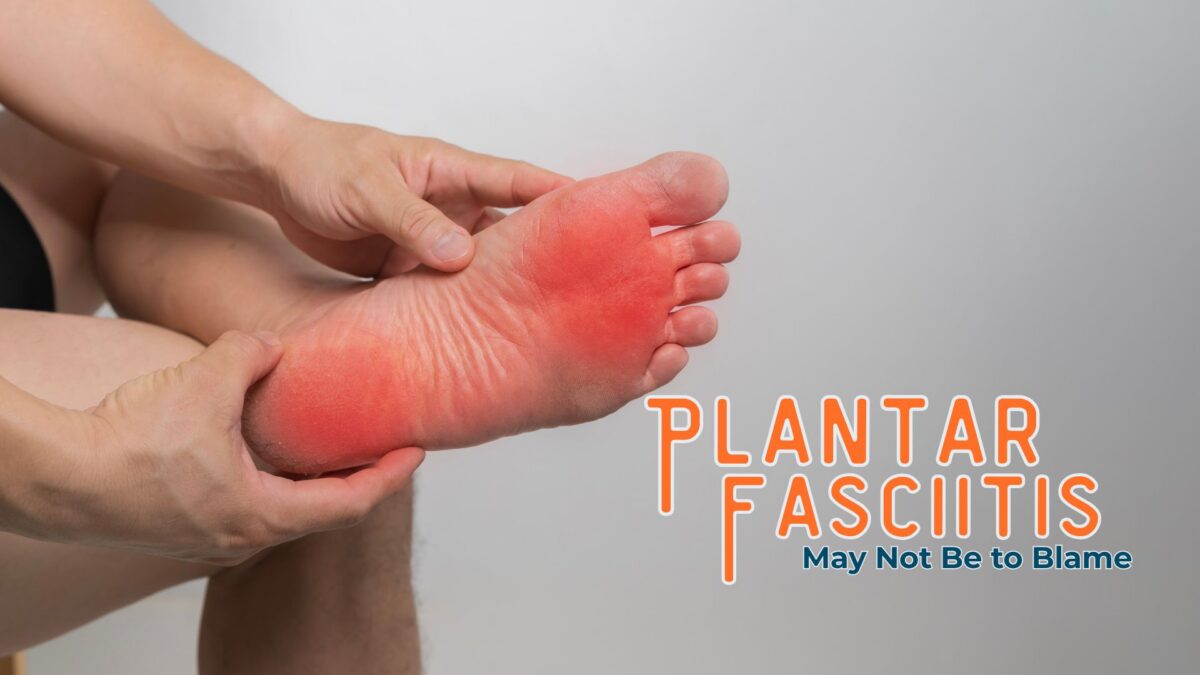
It May Be Plantar Fasciitis, But It May Not
When this pain strikes, most people immediately assume they have developed plantar fasciitis. They buy generic arch support inserts or roll their feet over frozen water bottles.
Some watch YouTube videos or consult AI only to be told to spend weeks trying calf stretches. What they may find out, however, is that pushing hard on the heel only makes the throbbing worse.
Plantar Fat Pad Atrophy Could Be the Culprit
If your heel feels less like a tight rubber band and more like you’ve been walking directly on bare bone, you may be dealing with a completely different structural issue known as fat pad atrophy.
Understanding the difference between tissue inflammation and natural cushion loss is crucial to distinguish between plantar fasciitis and fat pad atrophy, but it can also be the key to getting lasting relief.
How to Spot the Difference Between Plantar Fasciitis and Fat Pad Atrophy
To understand why traditional heel pain treatments often fail for fat pad issues, it helps to look at how your heel absorbs impact.
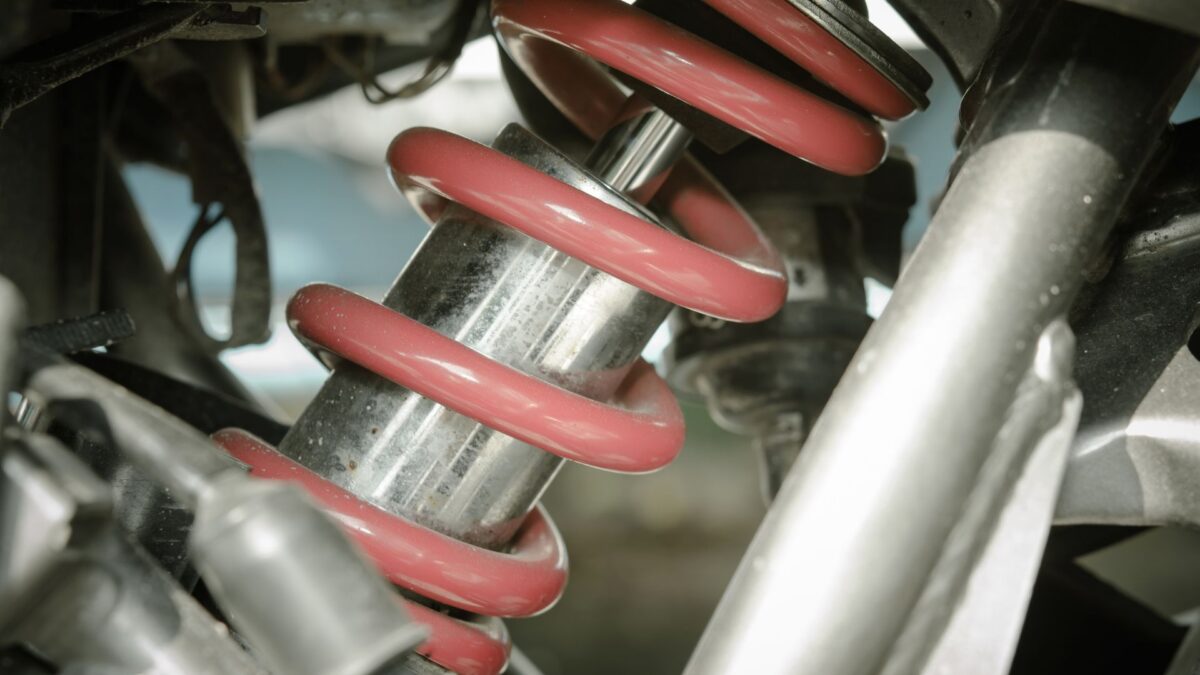
Directly underneath your heel bone (the calcaneus) lies a specialized matrix of dense fatty tissue enclosed in tiny fibrous chambers. This plantar fat pad acts as your body’s natural shock absorber. Just like a shock absorber on your car, this pad provides cushioning for the massive impact forces generated every time your foot strikes the ground.
Just Like a Car’s Shock Absorbers
While plantar fasciitis is an inflammation of the thick ligament band that runs along your arch, fat pad atrophy is the gradual thinning or displacement of this protective fatty cushion. And just like a shock absorber that’s gone bad, an atrophied fat pad means less cushioning between your foot and the ground.
When active adults spend hours standing or walking on unyielding surfaces like polished concrete store floors or hard pavement, a thinned fat pad loses its ability to protect the bone.
Below are some other ways to tell the two conditions apart:
| Symptom Feature | Plantar Fasciitis | Fat Pad Atrophy |
| Primary Location | Inner bottom edge of the heel, near the arch | Direct center of the heel bone |
| Morning Pain | Sharp, stabbing pain during the very first steps out of bed | Mild ache in the morning that worsens as the day goes on |
| Response to Standing | Improves slightly as the foot “warms up” | Consistently worsens the longer you stand on hard floors |
| Direct Pressure | Pressing the arch/heel junction triggers pain | Deep, bruised ache when pressing directly on the center of the heel |
| Barefoot Walking | Painful due to arch tension | Extremely painful, feels like “walking directly on bone” |
When fat pad thinning is mistaken for plantar fasciitis, exercises like calf stretching or wearing rigid, hard-plastic orthotics can actually press directly against the bone. Not only is this painful, but it can worsen tissue irritation and cause a vicious cycle to run over and over again.
What a Typical Patient Journey Looks Like
For many adults in York County, fat pad thinning begins with a subtle ache during a busy afternoon before turning into a daily barrier to staying active.
Consider a common scenario we see at our podiatry practice in Fort Mill: an active 58-year-old resident spends an October Saturday walking through local outdoor shops looking for early holiday gifts. Her day consists of hours spent standing on concrete floors, and by evening, her heels are throbbing with a sensation that feels bruised deep within the bottom of her foot.
OTC Arch Insoles Don’t Help
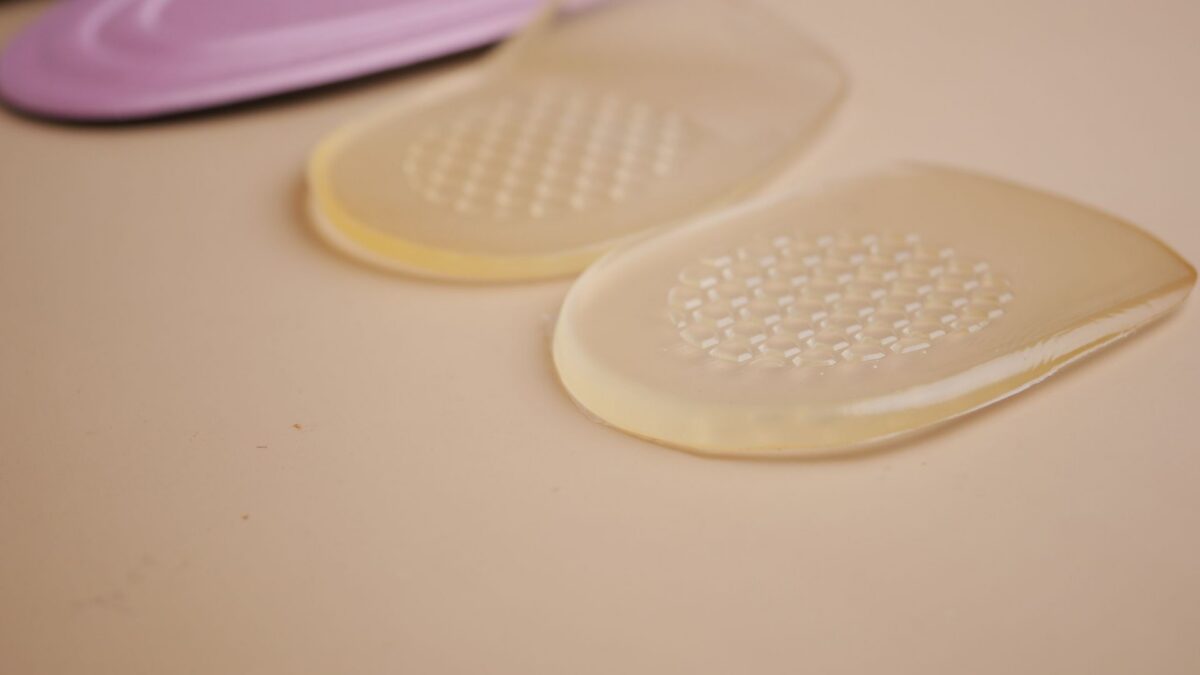
This patient will typically buy over-the-counter arch insoles under the assumption that her arches need support. More often than not, however, this person will end up with localized pressure under her heel. She finds herself constantly seeking out carpeted areas or swapping her fall footwear for slippers just to walk around her kitchen.
When a patient visits SmartStep Foot and Ankle with this type of pain, our first step is identifying the exact cause of heel discomfort to protect the underlying bone:
In-Office Cushion & Bone Assessment
Rather than offering a generic diagnosis, Dr. Lanier performs weight-bearing evaluations and uses high-resolution diagnostic imaging directly in our office. This allows us to measure the thickness of the subcalcaneal fat pad and rule out stress fractures or nerve entrapment.
Targeted Structural Custom Orthotics
To protect the heel bone without causing arch strain, we design a customized cushioning protocol. This involves prescribing and designing specialized custom orthotics as well as modifying footwear with shock-absorbing soles. Custom orthotics may be engineered with deep heel cups that consolidate and center the remaining fat pad directly under the bone.
Restored Comfort on Hard Surfaces
By restoring the way pressure gets distributed across the fat pad, impact can be redirected away from sensitive bone. Often within a short time, patients return to enjoying local shopping, community events, and daily walks without constant heel pain.
Whether you’re managing chronic heel soreness or sudden pain after a day on your feet, our goal at SmartStep Foot and Ankle is to provide clear answers, modern in-office care, and a direct path to comfortable mobility.
Modern Foot and Ankle Care in Fort Mill
If spending time on hard floors or enjoying outdoor activities leaves your heels feeling bruised and tender, you don’t have to suffer. With a proper evaluation, our team can ensure you receive the exact offloading and support your feet need.
Book Your Visit With SmartStep Foot & Ankle in Fort Mill, SC
SmartStep Foot and Ankle is proud to serve as your local source for expert podiatry in the Fort Mill region. We’re conveniently located, and our state-of-the-art office provides comprehensive care for active adults, seniors, and families across Fort Mill, Tega Cay, Rock Hill, and Indian Land.
Our local practice offers:
- Advanced In-Office Diagnostics: High-resolution digital X-rays and dynamic pressure testing to isolate the root cause of heel pain.
- Hassle-Free Patient Technology: Our online platform offers easy booking right from our site.
- Same-Day and Next-Day Appointments: Skip the wait and get seen faster.
Don’t Let Heel Pain Slow You Down
If standing or walking on hard surfaces triggers deep heel pain, let our team help you find the right solution. Book your visit with SmartStep Foot and Ankle right now – Same-day and Next-day appointments available in Fort Mill!