Loading. Please wait.

contrasting-photos-showing-spring-and-winter-in-the-Fort-Mill-area-with-text-1200x675.jpg

As springtime weather slowly makes its way into the Carolinas, a familiar pattern emerges in podiatric care: Patients who spent the winter months relatively pain-free in stiff boots suddenly develop sharp, localized heel pain just a few weeks into their spring walking or running routine.

In many cases, this isn’t a coincidence or a random flare-up either. Instead, it is typically a direct result of a significant biomechanical transition between winter and spring footwear that places a unique strain on the lower extremities.

The Mechanical Tradeoff: Rigidity vs. Flexibility

During our Carolina winter months, most people live in boots or other heavy footwear. Whether we’re talking work boots or leather fashion boots, these shoes share a common trait: midfoot rigidity. A stiff sole acts as an external brace for the foot, assuming much of the structural work that your arches and tendons would otherwise have to perform. While this can be beneficial when traversing cold, wet ground, it also comes with a tradeoff that can make an appearance once spring hits.

When you transition to a flexible, lightweight spring athletic shoe, your foot undergoes two immediate shifts:

Tissue Overload: Your plantar fascia and calf muscles, which have been protected by a stiff boot environment, are suddenly required to stretch and load dynamically. This sudden demand can lead to micro-tears in the fascia before the tissue has had time to adapt.

Proprioceptive Lag: Your feet contain a complex network of sensory receptors that help manage balance and gait. After months of being muffled by thick, unresponsive soles, these receptors often struggle to adjust to the increased ground feel and flexibility of a sneaker. This lag can result in poor foot strike patterns that exacerbate heel pain.

The Windlass Mechanism Failure

One of the most critical components of a healthy gait is what’s known as the windlass mechanism. This is a biological pulley system where your big toe dorsiflexes (pulls upward), tightening the plantar fascia and automatically lifting the arch to create a stable lever for pushing off of.

In a rigid winter boot, the shoe’s rocker bottom or stiff sole often does this work for you, essentially bypassing the windlass mechanism. When you switch to a highly flexible spring sneaker, your big toe and plantar fascia are suddenly forced to re-engage this pulley system thousands of times per mile.

If the tissue is tight or the intrinsic muscles of the foot are weak from a winter of rest inside a boot, the windlass mechanism fails. This leads to excessive sagging of the arch and high-velocity tension on the heel bone, which is exactly where that morning ping of pain originates.

Assessing the Transition: Wear Patterns and Geometry

Understanding this pain requires looking at the geometry of your footwear. One of the most overlooked factors in seasonal foot pain is the heel-to-toe drop, and this is something our podiatry team pays extra attention to during virtual and onsite visits in the Carolinas. Many winter boots have a significant drop, which can be calculated by examining the difference in height between the heel and the forefoot. In many cases, this is 12mm or more. Modern spring athletic shoes tend to have a much lower drop, sometimes as low as 0mm to 4mm.

If you make this switch overnight, your Achilles tendon is essentially being asked to stay in a state of constant overstretch. Through high-definition video analysis or a physical onsite assessment, we look for these specific discrepancies.

By evaluating the wear patterns on the outsoles of your boots versus your new sneakers, our footcare experts can identify exactly where your gait is breaking down during the transition. For example, excessive wear on the outer edge of your new sneakers but not your boots may indicate that your foot is struggling to find stability in the more flexible environment.

Neuromuscular Adaptation and Ground Feedback

There is also a neurological component to this springtime transition. Winter boots provide a high degree of stability but very little feedback from the ground. When you move into a spring sneaker, your brain receives a sudden influx of data regarding the terrain. For many of our patients, this leads to an unconscious change in cadence.

A common mistake is increasing stride length while decreasing cadence when moving into lighter shoes. This overstriding puts the foot too far in front of the body’s center of mass, creating a braking force that sends a shockwave directly into the heel. During a virtual or onsite gait analysis, we check for this specific overstride and provide cues to help your nervous system adapt to the new footwear without overloading the heel.

SmartStep Foot and Ankle Provides Onsite and Virtual Diagnostic Support in the Carolinas

For those in the Charlotte area, an onsite evaluation allows for a gait analysis in your natural environment, including on the surfaces where you actually spend your time. For patients across North and South Carolina, our telehealth podiatry visits provide a platform to review these biomechanical shifts virtually. We can visually inspect your footwear, guide you through functional movement screens to identify muscle imbalances, and coordinate with local imaging centers if a stress reaction is suspected.

Practical Steps for the Springtime Transition

To mitigate the risk of injury as we transition into springtime in the Carolinas, consider a structured approach to your footwear:

The “10% Rule” for Shoes: Treat new, flexible footwear like a new workout. Wear your spring sneakers for only 10% of your active time on the first day, gradually increasing the duration over two weeks.

The “Twist Test” Comparison: Grab your winter boot in both hands and try to twist it. Then, do the same with your spring shoe. If the spring shoe twists significantly more, your foot’s intrinsic muscles will have to work much harder. You may need to incorporate short foot exercises to strengthen those muscles.

Active Recovery: Incorporate eccentric calf raises by lowering your heel slowly off the edge of a step to help the Achilles tendon and plantar fascia adapt to the increased range of motion required by flatter spring shoes.

Evaluate Your Toe Spring: Check your new shoes for toe spring, which is the upward curve at the front of the shoe. Too much toe spring can keep your toes in a constant state of extension, pre-loading the plantar fascia and making it more susceptible to injury during the spring transition.

Don’t Let a Seasonal Change Sideline Your Progress

Whether you need a virtual exam across the Carolinas or an onsite evaluation in the Charlotte metro, SmartStep Foot and Ankle is here to help you navigate the transition into springtime footwear safely. By addressing the mechanical shift now, you can ensure that your foundation is ready for the miles ahead.


Book your visit with SmartStep Foot and Ankle in Fort Mill for convenient, personalized footcare!


photo-showing-pollen-spores-in-the-air-with-text-1200x675.jpg

As March arrives in the Carolinas, the inevitable blanket of yellow pine pollen isn’t far behind. While most of the focus is on respiratory health when it comes to pollen and other environmental allergens, at SmartStep Foot and Ankle, we see a significant seasonal spike in a different kind of allergy symptom: Pedal Allergic Contact Dermatitis.

Itching, Blisters, & More

If you’ve noticed a sudden onset of itching, redness, or small tapioca-like blisters on your feet as the seasons shift, you might not be dealing with a gym-acquired fungus. Instead, you might be experiencing a localized allergic reaction to the high environmental pollen counts or the specific chemicals in your spring footwear.

The Pollen-to-Socks Pipeline

If you’ve spent anytime in North Carolina or South Carolina during the spring, you already know that pollen settles on cars and porches, coating everything in its path. But, you may not have stopped to consider how it interacts with your footwear. Spring athletic shoes are designed with high-breathability mesh. While this keeps your feet cool, these pores act as a filter, trapping fine pollen particles against your socks and skin.

Even the Sidewalk Can Be a Danger

When you walk through the grass or even down a pollen-heavy sidewalk during this time, those micro-particles are forced into the fabric of your shoes. Combined with the natural moisture of your feet, this creates a concentrated allergen compress that stays in contact with your skin for hours. The result is that this can trigger a delayed hypersensitivity reaction, leading to intense itching that many patients mistakenly treat with over-the-counter antifungal creams. The worst part? These creams can actually further irritate an allergic rash!

Dysidrotic Eczema: The Spring Flare-up

March is also the peak season for dysidrotic eczema (pompholyx). This condition presents as tiny, fluid-filled blisters along the sides of the toes and the soles of the feet. While the exact cause can vary, seasonal allergies are a primary trigger.

When we experience a sudden change in temperature and humidity in the Carolinas, combined with the immune system already being on high alert due to the pollen count, blisters can flare. This is a condition that requires a precise diagnosis from a podiatrist, which is something patients can receive via telehealth from SmartStep Foot and Ankle. Our telehealth visits are perfect for patients across NC and SC who want a quick diagnosis without the hassle of driving to a clinic.

Note: Treating eczema with an antifungal is ineffective, and treating a fungus with the steroid cream used for eczema can actually make the infection worse. Before you attempt any home treatment, it’s important to get a professional evaluation performed by a licensed, board-certified podiatrist.

Assessing the Rash: Virtual vs. Onsite

Differentiating between a fungal infection (tinea pedis) and an allergic reaction is one of the most common tasks we handle via telehealth and through our onsite podiatry visits in Charlotte. Through our high-definition virtual platform or in-person exams, we can inspect:

  • The Border of the Rash: Allergic reactions often have a crease-limited or shoe-shaped distribution, whereas fungus tends to be more diffuse or circular.
  • The Sensation: Fungus often stings or burns; allergies typically result in a deep, maddening itch.
  • The Blister Pattern: We look for the specific tapioca appearance of eczema versus the larger bullae of a severe infection.

For our Charlotte onsite patients, we can perform a physical KOH prep or a skin scraping to rule out fungus immediately, providing clarity so you don’t spend weeks using the wrong medication.

Practical Steps to Protect Your Feet from Pollen

If you are sensitive to the Carolina spring, take these proactive steps to keep allergens away from your skin:

The Post-Walk Rinse: If you’ve been outdoors, don’t just take off your shoes. You should also wash your feet with a mild, fragrance-free soap immediately to remove any pollen that filtered through your shoes.

Barrier Socks: Wear high-quality, moisture-wicking synthetic socks. Avoid 100% cotton, which tends to trap and hold pollen particles against the skin more effectively than synthetic blends.

Shoe Rotation: Give your spring sneakers 48 hours to air out between uses. If possible, use a vacuum attachment to clear the mesh of any trapped environmental dust.

Check Your Spring Sandals: If you’re pulling sandals out of storage, be aware that the adhesives and tanning agents in leather can leach more easily as the weather warms, causing a localized reaction on the top of the foot.

Don’t Guess at the Itch – Book a Visit With SmartStep Foot and Ankle Today!

If your feet are reacting to the March season, let’s get the diagnosis right. Whether you need a virtual check-in from across the Carolinas or an onsite visit in Charlotte, we can help you calm the inflammation and get back to your spring activities.

Click here to book a visit with SmartStep Foot and Ankle today!


photo-of-two-teenagers-playing-basketball-in-Fort-Mill-with-text-1200x675.jpg

February 24, 2026 Fort Mill Podiatry News

Winter sports season really hits its stride in February, and student athletes across North and South Carolina are facing the unforgiving surfaces of hardwood courts, wrestling mats, and indoor tracks. Even if you’re a seasoned pro, these surfaces can take a toll on your feet, making it more important than ever to take a moment to consider your footwear when participating in wintertime sports around the Carolinas.

What We’re Seeing From Our Patients

At SmartStep Foot and Ankle, we see a significant spike in overuse injuries this time of year. Specifically, athletic patients are presenting with stress fractures, heel pain, and Achilles tendonitis. Oftentimes, the culprit isn’t the athlete’s training, but a fundamental mismatch between their footwear and the biomechanical demands of their sport’s surface.

Your feet and ankles act like a system of pulleys and levers, and overuse or injury in one part of this system can lead to strain in another. Without the right footwear, small problems can lead to lasting pain, injury, and damage in a relatively short amount of time.

Whether we’re consulting with a family in Columbia via a live video feed or visiting a student athlete in the Charlotte Metro for an in-home gait analysis, we use a specific engineering checklist to audit footwear.

While every visit is personalized, the following is an overview of what we look for to keep your athlete in the game:

Hardwood vs. The Foot: Managing Lateral Shear

Basketball and volleyball are sports of “sudden stops.” When an athlete executes a lateral cut on a high-friction hardwood court, the foot wants to keep moving inside the shoe. This creates a force known as lateral shear.

During a telehealth visit in which we conduct a virtual footwear audit, we often ask parents to perform a torsional rigidity test. This is where you hold the shoe at the heel and the toe and then twist. If the middle of the shoe wrings out like a wet towel, it lacks the shank support needed to protect the midfoot during a pivot.

We also look for a lateral outrigger, which is a small extension of the sole on the outer edge of the pinky toe. This increases the surface area and acts as a stabilizer, preventing the common inversion ankle sprain that’s so prevalent in sports like high school basketball.

The Wrestling Mat: Friction and Ankle Proprioception

Wrestling shoes are unique because they have to provide maximum feel while protecting the skin from mat burn. One of the problems, however, is that these shoes can lack a traditional midsole, and this makes them a high-risk factor for athletes with flat feet (overpronation).

If your wrestler is experiencing arch pain, we use live video to observe them standing barefoot on a hard surface versus standing in their wrestling shoes. If we see the ankle rolling in significantly in the shoe, the footwear is likely exacerbating a mechanical issue.

We often prescribe low-profile, medical-grade insoles that fit inside the narrow part of a wrestling shoe, providing arch support without sacrificing the flexibility the sport requires.

Indoor Track: The “Spike” in Stress Fractures

Indoor track surfaces are often much harder than outdoor rubberized tracks. When you combine high-velocity impact with the thin, minimalist design of a track spike, the metatarsals (the long bones in the feet) take a beating.

We recently worked with a high school sprinter from Rock Hill, SC, who was experiencing “vague” pain in the ball of his foot. Through an in-person, onsite assessment, we observed his “strike pattern” which showed that he was landing heavily on his midfoot in a spike that had zero forefoot cushioning.

By transitioning him to a distance spike with slightly more EVA foam and coordinating a training schedule to offload the impact, we caught a potential stress fracture before it became a full break.

Sever’s Disease: More Than Just Heel Pain

February is often the peak month for Sever’s Disease (calcaneal apophysitis) in middle school athletes. This is an inflammation of the growth plate in the heel.

To check for and treat this, we help parents measure the drop of their athlete’s shoe during virtual and onsite podiatry visits. For athletes with heel pain, a zero-drop shoe is often the enemy. We look for shoes with a 10mm-12mm drop, which slightly elevates the heel and takes the tension off the Achilles tendon and the growth plate.

We also coach parents through the squeeze test on camera and in-person. If squeezing the sides of the heel causes sharp pain, it’s usually a growth plate issue, not plantar fasciitis. This distinction can change the entire treatment plan, so it’s an important part of a visit when the complaint is heel pain.

The SmartStep “Virtual Locker Room” Audit

Choosing the right shoe is a medical decision, not just a style choice. If your athlete is complaining of “growing pains” or fatigue this winter sports season in North Carolina or South Carolina, don’t wait for a sidelining injury.

SmartStep Foot and Ankle offers live, 100% virtual footwear and gait assessments for families across the Carolinas. For those in the Charlotte Metro, we can even provide in-home visits to evaluate your athlete’s biomechanics in their natural training environment.

Keep your athlete on the court, not the bench. Book a sports footwear consultation today, and stay in the game!


closeup-photo-of-toes-with-text-1200x675.jpg

February 10, 2026 Fort Mill Podiatry News

“There’s nothing a doctor can do for a broken toe anyway.”

At SmartStep Foot and Ankle, we hear this kind of sentiment from patients frequently, and it is one of the most dangerous myths in podiatry. While “buddy taping” is a common home remedy, it is only appropriate for simple, non-displaced fractures. If you have a fracture with malrotation, intra-articular involvement (the joint surface), or vascular compromise, simply taping it can lead to chronic arthritis, permanent deformity, or even tissue necrosis.

Because we serve patients across North and South Carolina virtually and provide onsite visits for our Charlotte Metro neighbors, we have perfected the virtual fracture assessment.

Here is how our board-certified podiatrists use live video to perform a deep-dive clinical evaluation that goes far beyond a cursory glance:

The Vascular and Neurological Check

The first thing we assess isn’t the bone; it’s the “pipes and wires.” A broken toe that has shifted can pinch a digital nerve or compress a small artery.

The Capillary Refill Test

During your virtual or onsite exam, we will instruct you to press firmly on the nail bed or the tip of the injured toe until it turns white, then release. We are timing exactly how many seconds it takes for the pink color (blood flow) to return. If it takes longer than two seconds, we are immediately concerned about vascular compromise.

The Sensation Sweep

Using a simple tool like a strand of hair or a soft brush, we guide you through a sensory map of the toe. If you feel “pins and needles” or numbness on one side of the toe but not the other, it suggests a displaced bone fragment may be irritating a nerve.

Detecting Hidden Malrotation

This is where DIY home care fails. A toe can look relatively straight but be “rotated” on its axis. If a toe heals with even a few degrees of rotation, it will change how your foot strikes the ground, leading to secondary pain in the ball of the foot (metatarsalgia) or the hip.

The Nail-Level Alignment

We will ask you to place your foot flat on a hard surface and bring the camera level with your toes. In this scenario, we’re looking at the bone, but we’re also looking at the plane of the toenail. If the nail on the injured toe is tilted compared to the others, the fracture is rotated.

The Extension Test

We may ask you to try and wiggle your toes. If the injured toe crosses over its neighbor during movement, it is a clinical sign of a displaced fracture that requires professional reduction (resetting), not just tape.

Case Study: Why “Just Taping It” Cost One Patient Six Months

The Patient: A 42-year-old patient in Raleigh, NC booked an appointment with SmartStep for a telehealth visit.

The Scenario: She stubbed her pinky toe on a coffee table, and at first, it was just a little bruised and swollen, but she decided to “buddy tape” it and keep running.

The Consequence: Because she didn’t have a professional evaluation shortly after the accident, she didn’t realize she actually fractured her toe. On top of that, the fracture entered the joint.

The constant friction from running caused the bone to “non-union” (fail to heal). By the time she called SmartStep Foot and Ankle for a telehealth visit, she had developed a painful bone callus that required a specialized surgical referral.

The Solution: Had we seen her on day one via a live video feed, we would have identified the joint-line tenderness and prescribed a rigid-sole post-op shoe immediately, potentially saving her months of pain.

The SmartStep Diagnostic Protocol

When you book a live virtual exam for a suspected break, we don’t just give you “tips.” We provide a clinical plan that may include:

Guided Palpation

We coach you on exactly where to press to find point tenderness. Pain directly over the bone is a fracture, whereas pain in the web space is likely just a sprain. Dr. Lanier can provide specific guidance for your unique situation.

Remote Imaging Coordination

If our virtual exam indicates a high-risk fracture, we don’t just tell you to go to the ER. Instead, we can coordinate with imaging centers in your local NC or SC community to order targeted X-rays, which are then sent directly to us for review in coordination with your care team.

Charlotte Metro In-Home Stabilization

For our patients in the Charlotte Metro, if the virtual exam shows a fracture that needs a splint or specialized off-loading, we can often transition the care to an onsite visit to apply professional-grade immobilization right in your living room, workplace, or assisted living facility.

Don’t Guess with Your Mobility

A seemingly minor toe break can become a major mobility issue within months if not weeks. If you’ve suffered a foot injury, let a board-certified podiatrist see it today for expert guidance and relief.

SmartStep Foot and Ankle provides virtual acute injury assessments across North and South Carolina as well as onsite visits in the Charlotte area.

If you’re concerned about a fracture, schedule your evaluation in Fort Mill today!


photo-of-a-caregiver-in-Charlotte-looking-at-a-senior-podiatric-patient-and-smiling-1200x675.jpg

January 27, 2026 Fort Mill Podiatry News

2026 is here! While there’s a lot to look forward to in the new year, the conversation around health often revolves around high-impact resolutions. But as a podiatrist with a background in Public Health, I find myself looking at a different metric for my senior patients in the Charlotte Metro: the “Mobility Gap.”

This gap is the difference between a senior’s desire to stay active in our community (walking through Freedom Park or navigating a Food Lion grocery store) and the physiological changes in their feet that begin to limit that independence. Understanding these changes is about more than just “foot care” as its a critical component of geriatric preventative medicine.

The Physiology of the Aging Foot

To understand why foot health is so vital for seniors, we have to look at the biology of aging. Your feet are complex mechanical structures containing 26 bones and 33 joints. Over decades, these structures undergo predictable transformations that, if ignored, can lead to systemic health decline.

Below are some common examples of transformational changes seniors often face with age:

Fat Pad Atrophy: We are born with a natural shock absorber of adipose tissue on the balls and heels of our feet. Over time, this padding thins. This can lead to discomfort, but more importantly, it changes the way force is distributed through the metatarsals, often leading to secondary issues like stress fractures or chronic bursitis.

The “Silent” Risk of Neuropathy: For many seniors in the Charlotte community, particularly those managing diabetes, peripheral neuropathy can set in with time. This is a loss of sensation that can be dangerous because it masks pain. A small pebble in a shoe or a minor blister can go unnoticed, quickly evolving into a serious ulceration because the body’s alarm system is muted. Left untreated, serious infections can set in and threaten the overall health of affected seniors.

Connective Tissue Changes: Across the entire body, tendons and ligaments lose their elasticity with age. More specifically, the Achilles tendon often tightens with age, and this can limit the range of motion in the ankle. This decreased flexibility forces the body to compensate elsewhere, usually at the knees or the lower back. Seniors in the Charlotte area who experience these changes may notice its harder to get around due to pain or instability.

The Connection Between Podiatry and Fall Prevention

From a public health perspective, falls are one of the most significant threats to senior independence. What is often missed in the general conversation about balance is that stability begins at the base.

A painful ingrown toenail is an annoyance, but it can also cause antalgic gait. This is a fancy way of saying you change how you walk to avoid the pain. When you shift your weight to avoid a sore spot, you are intentionally throwing your body out of balance. In a senior, this subtle shift in biomechanics is often the root cause of a trip or stumble. By managing these minor foot issues, we are actually performing a high-level intervention in fall prevention.

Beyond the Clinic Walls: Why Onsite Care Matters for Charlotte Seniors

In my years practicing in the Charlotte Metro, a recurring hurdle I’ve encountered when talking with older patients is the transportation barrier. When specialized care requires a senior or their caregiver to navigate traffic, large parking decks, and long corridors, the care is often delayed until it becomes an emergency.

Moving toward a model of onsite and home-based care offers convenient, but we believe it also supports clinical outcomes. When a board-certified podiatrist can assess a patient in their own environment, we see things we might miss in a sterile clinic. For example, we can see the footwear you actually wear every day, the height of the rugs you navigate, and the ease (or difficulty) you have moving in their your space.

This “Standard of Care” approach ensures that seniors who may be vulnerable to the effects of agiing feet, as well as seniors in independent living communities, assisted living communities, or private residences, receive the same level of expertise that anyone else would receive in a clinical setting.

A New Year Perspective for Caregivers

We also want to touch on some notes for caregivers of seniors in the Charlotte area. If you are caring for an aging loved one in Charlotte, our advice for 2026 is to look down. Inspect the footwear of those under your care for uneven wear patterns, which can signal structural imbalances. Look for changes in skin color or temperature, which can signal circulation issues.

Education is the first step toward prevention. By understanding the unique challenges of the aging foot, we can work together to close the “mobility gap” and ensure our seniors stay active, stable, and independent.

Whether through a virtual telehealth consultation to examine a new concern or a comprehensive onsite clinical visit within the Charlotte area, our goal remains the same: helping you take a “Smart Step” toward long-term health.

Schedule your appointment now for same-day and next-day care with SmartStep Foot and Ankle!


photo-of-Dr-Thurmond-Lanier-of-SmartStep-Foot-and-Ankle-along-with-text-1200x675.jpg

January 13, 2026 Fort Mill Podiatry News

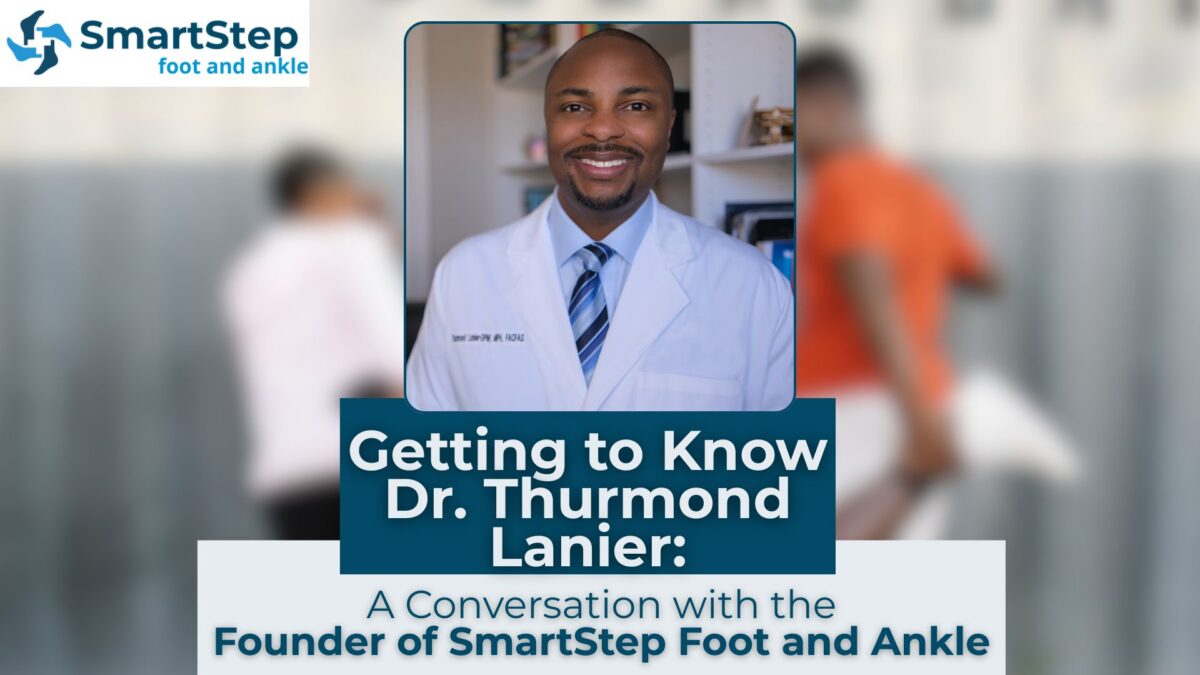
If you’ve searched for foot and ankle care in the Charlotte area, you’ve likely come across the name Dr. Thurmond Lanier. As the founder and medical director of SmartStep Foot and Ankle, Dr. Lanier has built a reputation for combining high-level surgical expertise with a deeply personal, patient-centered approach.

We sat down for a “virtual interview” with Dr. Lanier to discuss his background, his passion for podiatry, and how SmartStep is expanding care across North and South Carolina through innovative telehealth technology.

Q: Dr. Lanier, you have quite an impressive academic background. From biology to public health and teaching, you’ve done a lot. How do these different disciplines influence how you practice medicine today?

Dr. Lanier: “I’ve always believed that to be a great doctor, you first have to be a great student and a great communicator. My Master’s in Teaching from the University of South Carolina really taught me how to break down complex medical concepts so my patients actually understand their diagnosis.

My Master of Public Health (MPH) gives me a broader perspective on community wellness. I don’t want to just look at a foot injury in isolation. Instead, I look at how we can improve access to care for everyone in the Charlotte Metro and across the Carolinas. Whether I’m performing a complex reconstructive surgery in the Gastonia region or treating a fungal infection in Myrtle Beach via a telehealth call, my goal is always the same: helping patients regain their mobility and live pain-free.”

Q: SmartStep has become a leader in the Charlotte Metro for onsite care. What can patients expect when they visit you in person?

Dr. Lanier: “When you come to see us for an onsite podiatry visit in Charlotte, you’re getting state-of-the-board-certified care in a comfortable environment. We specialize in the full spectrum of podiatry, including sports injuries, chronic heel pain, and advanced reconstructive surgeries.

We pride ourselves on providing onsite foot care in the Charlotte region, meaning we come to you. Whether you’re at home, a workplace, an assisted living facility…we provide care where it’s most convenient for you.

Charlotte is my home. It’s where I live with my wife and four children. When I see a patient in the area, I’m seeing a neighbor. We make sure that our onsite care is efficient but never rushed. We want to ensure that every ‘Smart Step’ you take toward recovery is backed by open communication and a personalized recovery plan.”

Q: You’ve been a big advocate for telehealth. How are you using this to help patients in both North and South Carolina?

Dr. Lanier: “This is something I’m incredibly passionate about. Foot pain doesn’t care about state lines or busy schedules. By offering telehealth services in both North Carolina and South Carolina, we’ve removed the barriers to specialized podiatric care.

Many people don’t realize how much we can accomplish virtually. Whether it’s an initial consultation for a sports injury, a follow-up on a surgical site, or managing a chronic condition like gout, telehealth allows me to see patients where they are most comfortable.

It’s a ‘smart step’ for someone in rural North Carolina who needs an expert opinion but can’t make the drive to Charlotte, or for a busy professional in the city who needs a quick check-in during their lunch break. It’s also the perfect companion to our onsite services in the Charlotte area.”

Q: We know you’re a big sports fan. Does that influence your work as a podiatrist?

Dr. Lanier: “Absolutely! As a die-hard Carolina Panthers and South Carolina Gamecocks fan, I spend a lot of time at stadiums and sporting events. I see the ‘fancy footwork’ on the field, but I also see the toll it takes on the body.

Understanding the mechanics of an athlete helps me treat my weekend warriors and student-athletes more effectively. I know how important it is to get back on your feet. Whether you’re competing on the field or just walking through the Mint Museum or Windy Hill Orchard with your family, having strong, healthy feet is a must!”

Q: What is the most rewarding part of your job?

Dr. Lanier: “It’s the moment a patient realizes they can walk without pain again. Whether we achieved that through a custom orthotic or a guided recovery plan initiated via telehealth, seeing that transformation is why I founded SmartStep Foot and Ankle. We are here to ensure that every patient in the Carolinas can keep moving forward.”

Are you struggling with foot or ankle pain? Whether you prefer an in-person visit in the Charlotte Metro or you prefer the convenience of a telehealth appointment anywhere in NC or SC, Dr. Lanier and the SmartStep team are ready to help.

Book your appointment today and regain control over your mobility and your life!


photo-of-a-diabetic-foot-being-examined-by-a-podiatrist-with-text-1200x675.jpg

December 23, 2025 Fort Mill Podiatry News

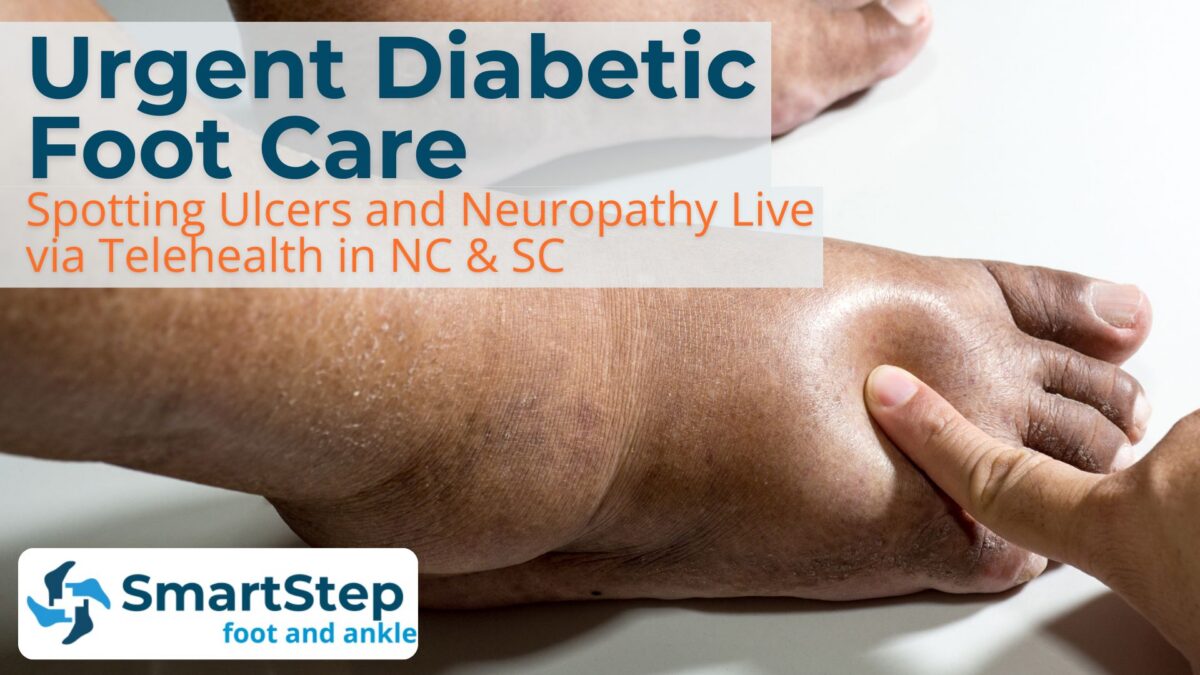
For patients with diabetes in North and South Carolina, foot care is a critical part of keeping not only your feet healthy, but also your body. The reality is that diabetic neuropathy and resulting ulcers lead to infections, and because of the loss of sensation brought on by neuropathy, you may not realize you have a serious problem until it’s too late.

When you partner with SmartStep Foot and Ankle for virtual care, your telehealth visit is an essential tool for instant assessment and rapid treatment. Dr. Lanier is a board-certified podiatrist and foot surgeon who understands exactly what to look for when monitoring the feet of diabetics. Our virtual visits can be another tool you can use to protect your feet and prevent serious side effects.

Utilizing Video to Monitor Diabetic Foot Conditions

In a traditional office, your podiatrist uses touch and temperature assessment. In our live video visits, we guide you through real-time protocols to gather the same critical diagnostic data, virtually. Your ability to provide high-quality visual and sensory information is the key to preventing serious complications.

While your doctor will guide you through the steps needed to gather the right data to make an accurate diagnosis, we want all of our patients to feel comfortable and prepared. To aid in this mission, here is the SmartStep guide to maximizing your live virtual diabetic foot exam:

Becoming Your Doctor’s Eyes

In addition to the development of ulcers and infections, neuropathy and poor circulation can lead to subtle but dangerous changes in the foot’s appearance. During a telehealth appointment, we will guide you on how to adjust your setup during the live call to ensure we see exactly what we need.

The Real-Time Color and Skin Check

As discussed in our previous blog post, “Mastering the Virtual Foot Exam: Advanced Camera Techniques for Your SmartStep Telehealth Appointment”, use diffused daylight from a window or a neutral daylight LED bulb (5000K-6500K). Yellow light masks redness, and harsh shadows hide skin breaks. Your doctor needs to see true color and texture.

Mirror Techniques

It can be challenging to film the sole of your foot accurately without help. In order to get the results we need without causing undue stress, use a small, shatterproof hand mirror instead.

We will guide you on camera angles and mirror placement in real-time to ensure a complete, 360-degree inspection of your sole, between your toes, and around the heel, which is one of the most common sites for ulceration.

Checking for Edema (Swelling)

You should also be ready to gently press your thumb into any swollen areas while on camera. While we cannot physically feel the depth, we can observe the presence and speed of “pitting” (the indentation left by the pressure) to visually gauge the severity of the edema.

Urgent Ulcer Protocols for Measuring Severity

If you have a known or suspected open sore, precision is of the utmost importance during a telehealth visit. Before your appointment, we urge you to ensure your phone’s camera is clean. If possible, familiarize yourself with the zoom function before the call starts as well as the tap-to-focus feature. These features will be used on the exact center of the ulcer in order to lock the camera focus on the depth of the wound, not the surrounding skin.

Tools to Measure Any Ulcers

As strange as it may sound, it may also be helpful for you to have a ruler and quarters (coins) available during your telehealth visit. A quarter acts as a visual benchmark for scale, and the ruler is used next to the wound as we view it live to accurately gauge the size and/or spacing.. These tools can also help us track healing or deterioration during followup appointments.

Real-Time Sensation Protocols to Check for Neuropathy

Diabetic neuropathy results in lost feeling, which is why injuries often go unnoticed, we typically have our diabetic patients aid the doctor in checking for sensation through a series of exercises.. While we can’t perform standard monofilament testing virtually, we coach you through effective, safe at-home assessments to gauge sensation changes live on camera.

The Temperature Test

Have two small glasses ready: one with cool water and one with slightly warm water. While on camera, gently touch the bottom of your affected foot with the base of each glass and report the sensation immediately. This helps us assess the difference between cold and warm perception which can be a key indicator of sensory nerve health.

The Light Touch Test

We also sometimes employ a light touch test. This test can be done using a piece of soft fabric or other soft materials like a cotton ball or a makeup brush. While looking away from your foot to prevent visual bias, gently brush the item against different areas of your sole and toes. Report every time you feel the sensation in your foot. This provides vital real-time feedback on your protective sensation.

The Balance Audit

With the camera focused on your full body plus feet, we will guide you through simple balance exercises, such as standing on one foot or tandem walking in a heel-to-toe fashion. Loss of balance can be a significant sign of proprioceptive loss related to advanced neuropathy.

Preparation for Immediate Action

When a diabetic foot issue is detected, speed is everything. Our telehealth model is built for rapid response in North and South Carolina.

The 5-Minute Pre-Load Protocol

Before your session, log into our secure patient portal. Ensure your current preferred pharmacy and location is confirmed, along with any other current providers. This allows your SmartStep podiatrist to issue prescriptions for antibiotics or wound care supplies immediately, without administrative delays.

Know Your Next Step

If we determine a wound is serious, your SmartStep podiatrist is prepared to coordinate with your primary care physician (PCP) or refer you to an in-person wound care center within your local NC or SC network, often within the same business day.

Schedule Your Visit With SmartStep Foot and Ankle for Diabetic Foot Care in the Carolinas

SmartStep Foot and Ankle specializes in providing accessible, high-quality diabetic foot care wherever you are in North and South Carolina. Plus, we offer onsite podiatry services in the Charlotte, NC, region.

Don’t hassle with the drive and long wait at a podiatrist’s office. Click here to schedule your essential diabetic foot exam right now!


graphic-showing-a-phone-screen-with-a-foot-and-text-1200x675.jpg

December 9, 2025 Fort Mill Podiatry News

At SmartStep Foot and Ankle, we believe that telehealth plays a large role in the future of foot care. For our patients across North and South Carolina, a telehealth visit is a powerful tool, but it’s much more than a simple video chat.

The fact is that In a virtual consultation, you become your podiatrist’s eyes. Because of this, it’s important to know how to get the most out of your visit.

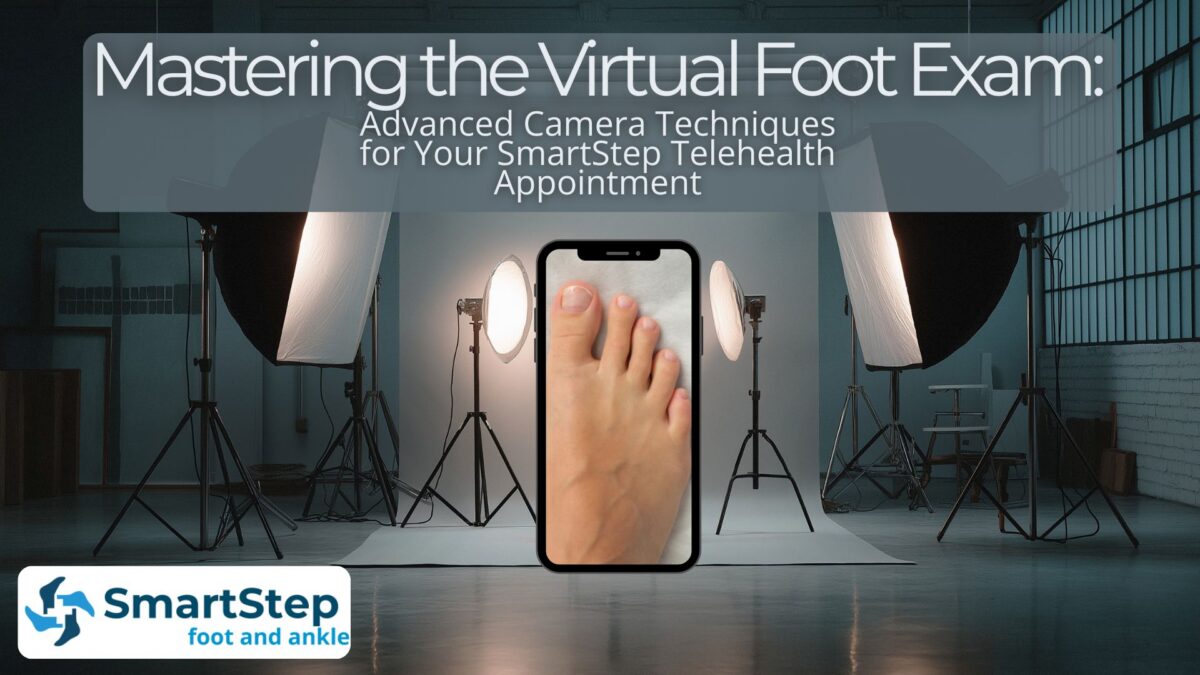
While you don’t have to be the next Martin Scorsese, your camera skills and preparation can affect the quality of your diagnosis and the precision of your treatment plan. To help you achieve diagnostic-grade clarity, we’ve got some advanced tips used by professionals to ensure your virtual foot exam is as effective as an in-person visit.

Beyond Brightness: The Advanced Science of Lighting Your Foot

The single most critical factor in virtual podiatry is light. Poor lighting casts shadows that can completely mask subtle, yet critical, details like skin texture, mild swelling (edema), or the true depth of a wound.

Lighting becomes even more important when you’re working with a smartphone or other video-enabled device that has a low resolution. While 1080p video or even 4k can be great, lower resolutions tend to hide important details. Poor lighting conditions can make it even more challenging to get a clear image during a telehealth podiatry visit as issues like harsh shadows can cloud and distort what your podiatrist can see (or not see.)

Eliminating the Harsh Shadow Problem

Avoid the Overhead Offender: Never position your foot directly under a single ceiling fixture like a recessed can light. This casts deep shadows under the toes and around the ankle, and these are areas your doctor must inspect.

Diffusion is Key: Natural daylight offers the most color-accurate view, so we recommend conducting your visit in a room that has access to windows. Position your foot about three to five feet parallel to a large window. If the direct sun is too strong, hang a sheer curtain or sheet to diffuse the light, making it softer and minimizing severe shadows.

The Two-Light Strategy for Dimensionality

For the most professional video and the best chance for high-value diagnostics, aim for a simple two-light setup to eliminate conflicting shadows and add necessary depth:

The Key Light for Primary Illumination: Your main light source (e.g., a window or bright lamp). Position it directly in front of your foot or slightly off to a 45-degree angle.

The Fill Light for Shadow Reduction: This secondary light is crucial. Place it opposite the Key Light. It “fills in” the harsh shadows, helping reveal texture, subtle swelling, and areas of redness that would otherwise be lost. It’s ok if the fill light is not as bright as the key light, but you don’t want too much difference.

The Texture Reveal Technique

This advanced technique is key for identifying minor inflammation or changes in skin texture, especially on the sole of the foot:

The Setup: Turn off all major overhead lights. Use a small, directional light source like a desk lamp or a second phone’s flashlight.

The Position: Place the light source almost level with the foot and aim the beam directly across the surface.

The Result: When light scrapes across the skin this way, it can reveal subtle elevations or depressions, much like a doctor running their finger across the skin in person.

Focus and Contrast Tips

Color Temperature: Avoid older, yellow-hued bulbs when possible, as they mask redness. Use LED bulbs labeled “Daylight” (5000K–6500K) for the most color-accurate view.

Background Contrast: Always place your foot on a solid, neutral background (a white sheet, a plain towel, or a wooden floor). This prevents the camera from auto-focusing on patterns and allows your podiatrist to focus solely on your foot.

Your Device: The Three Pillars of Virtual Clarity

In addition to lighting, your camera work plays a large role in the success of a telehealth visit. As mentioned, you don’t need to be a Hollywood professional, and SmartStep Foot and Ankle can work with all types of smartphones, tablets, and laptops; however, we have some tips to help you master the right techniques when behind the lens.

1. Rock-Solid Stability

A jumpy or blurry image is going to make things difficult to see. We encourage you to mount or stabilize your camera whenever possible to avoid shaking, jitters, or excessive movement.

  • Pro Tip #1: Don’t just hold the camera; use household items as stable mounts. A stack of books or a small phone tripod ensures the image is rock-steady.
  • Pro Tip #2: If you must hold your device, try to brace your elbows on a table or counter to eliminate arm wobble. If your device has an auto-stabilization setting, make sure it’s turned on before your visit.

2. Targeted Focus

Before the call, test the use of your device’s tap-to-focus feature on the exact area of concern (e.g., the edge of the toenail, a callus, or a rash). This locks the focus and light exposure, preventing the camera from auto-adjusting mid-exam.

3. Connection Check-Up

Bandwidth Test: Don’t just rely on “good Wi-Fi.” Before your visit, use a free online speed test to ensure you have a quality connection that can transmit audio and video. We recommend a minimum of 2 Mbps upload speed as your doctor needs the clarity you are sending.

Audio Enhancement: Use wired earbuds or Bluetooth headphones with a built-in mic. This frees your hands for camera maneuvering and blocks ambient noise, ensuring your doctor hears your symptoms clearly and that you can communicate clearly.

Photo Backup: If you know your connection can be weak, take the “Essential Views” (below) as high-resolution photos before your appointment. You can then easily share them via our secure patient portal or hold them up to the camera if needed.

Essential Camera Views for Your Virtual Visit

A static, one-angle view of your foot is rarely enough for a complete diagnosis. Your doctor will typically need at least three critical categories of views to accurately assess mechanics, pain points, and surface details.

The Weight-Bearing Views Used for Assessing Mechanics

Foot problems often only manifest when the foot is under stress, so we may need to see it bearing your full body weight.

The Static Stance: Place your camera low to the floor. Stand with your feet shoulder-width apart and capture the foot from the front and the back. The rear view is crucial for assessing pronation (rolling inward) or supination (rolling outward).

The Dynamic Gait: This is the most valuable view. Have your device propped at ankle height. Walk away from the camera for two steps, then turn and walk toward the camera for two steps. This shows your doctor how your foot lands and rolls, providing essential clues about your biomechanics.

The Non-Weight-Bearing Views Used for Inspecting Detail

Once your foot is elevated and relaxed, we can check minute skin, nail, and joint issues.

The Dorsal View (Top): For this view, you will rest your foot flat and capture the top of the foot and ankle. This is essential for observing swelling and joint issues.

The Plantar View (Bottom): You will sit comfortably and cross the affected leg over the opposite knee, bringing the bottom (plantar surface) of the foot completely into the frame. Focus the camera on the heel, arch, and ball of the foot. This angle is critical for visualizing calluses, corns, warts, and arch breakdown.

The Comparative View to Establish a Baseline

Many issues involve subtle changes in color or size. If an issue only affects one foot, your healthy foot becomes the control group.

Put both feet side-by-side in the frame, ensuring they are equally well-lit and in focus. Seeing the healthy foot next to the affected foot provides an instant benchmark for your doctor to gauge the true severity of discoloration or the extent of swelling.

Ready for High-Fidelity Foot Care? Schedule Your Telehealth Foot Care Visit Today in North Carolina or South Carolina!

If you’re still concerned about getting the right views, don’t worry. At SmartStep Foot and Ankle, your doctor will guide you through the process, providing step-by-step instructions at your pace. Plus, our telehealth podiatry services mean that you can visit with your us in the privacy and comfort of your own home.

Schedule your visit with SmartStep Foot and Ankle in Fort Mill right now!


photo-of-a-foot-in-a-boot-with-text-1200x675.jpg

November 18, 2025 Fort Mill Podiatry News

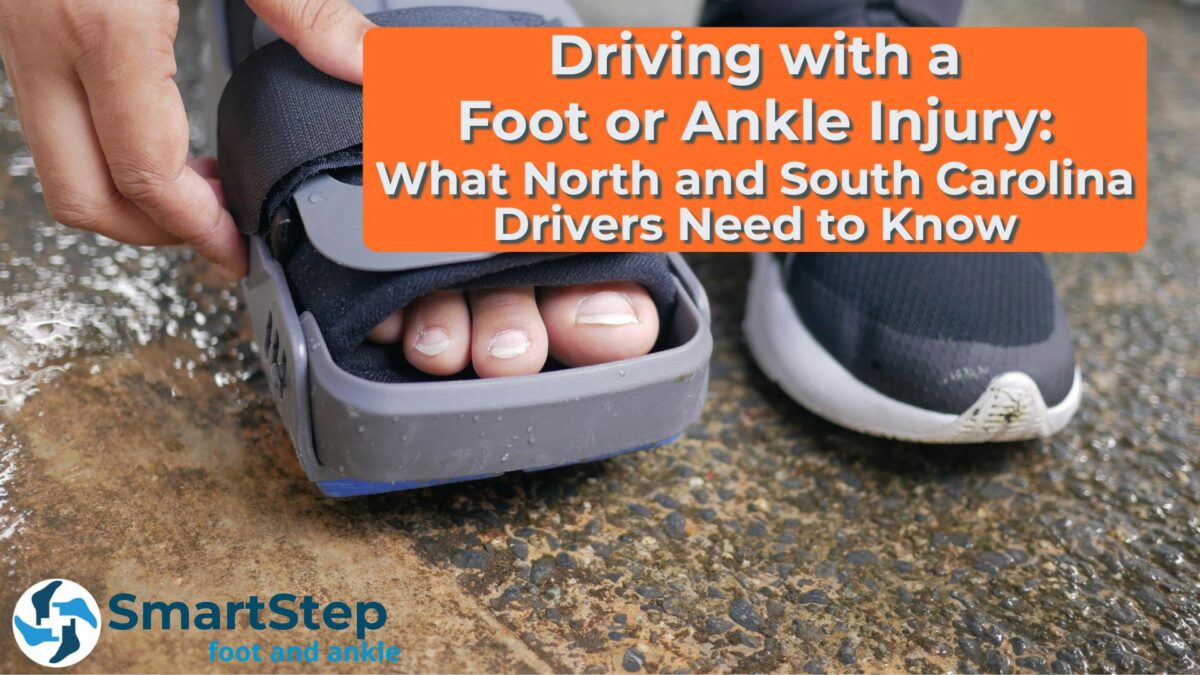
When you suffer a foot or ankle injury, including sprains, fractures, or you’re recovering from surgery, one of the most pressing, immediate questions is: Can I drive?

The urge to maintain independence and manage daily life in North Carolina or South Carolina often pushes people to get back behind the wheel quickly, but is it safe to do so? Driving with a compromised foot or ankle is undobtedly a safety concern, but it can also carry significant medical, ethical, and potential legal risks.

At SmartStep Foot & Ankle, we believe the fastest path back to your normal life (including driving) starts with making smart, safe choices. To help you make wise decisions, we’ve put together an informative guide on the factors you must consider before putting the key in the ignition:

The Crucial Right Foot vs. Left Foot Question

For most vehicles with automatic transmissions, the right foot operates the brake and accelerator, or the two pedals that control forward motion and stopping distance.

Injury to the Right Foot/Ankle

If your injury, cast, brace, or walking boot is on your right foot, you should not drive. An injured right foot cannot reliably generate the force, stability, or speed required to switch between the gas and brake pedals, especially in an emergency. The risk of delayed braking or accidental acceleration is too high.

Injury to the Left Foot/Ankle (Automatic Car)

If you drive an automatic vehicle, a left-foot injury may not prevent you from driving. However, the cast or boot can be bulky, potentially interfering with the pedals or distracting you. You must ensure the left foot doesn’t impede the operation of the right foot.

Injury with Manual Transmission

If you drive a stick shift, you should not drive with a left-foot injury as it is required to operate the clutch.

The bottom line? Any device (cast, boot, brace) that restricts the movement of your ankle and foot or adds bulk can dangerously delay your reaction time, which is the single greatest risk factor.

Safety vs. Legality: The Rules in NC and SC

While North Carolina and South Carolina don’t have explicit statutes that say, “You cannot drive with a walking boot,” both states operate under a fundamental legal principle: Drivers have a legal duty to operate their vehicle with reasonable care and prudence, maintaining control at all times. (This is often referred to as a duty to exercise “ordinary care.”)

If you are involved in an accident in NC or SC and are found to have been driving with a clearly restrictive injury, cast, or boot, you could be deemed negligent.

If your impaired ability to brake or react is found to have contributed to the crash, you could face:

Negligent Driving Charges: This can lead to fines, points on your license, and increased insurance rates.

Insurance Complications: Your insurance provider could potentially deny coverage for the accident, claiming you were operating the vehicle in a way that impaired your ability to control it safely.

The safe and responsible choice always outweighs the legal minimum. Your insurance company and law enforcement will look at whether a “reasonable and prudent person” would have driven under the same circumstances.

Beyond the Boot: Hidden Driving Hazards

It’s not just the cast or boot that makes driving dangerous. Your internal healing process creates other risks you must consider:

Pain and Distraction

Foot or ankle pain is a powerful distraction. A sudden jolt or change in position can cause a sharp twinge of pain, which may cause you to briefly swerve or involuntarily remove your foot from the pedal. Even mild chronic pain dulls your concentration and slows reaction time.

Medications

Are you taking prescription pain medications? Most pain medications warn against operating heavy machinery, which includes your car. Driving while impaired by medication is illegal and severely reckless.

Strength and Range of Motion

Even after the cast or boot is removed, your foot and ankle muscles will be weak and stiff (a process called atrophy). Your reaction time will still be significantly slower than normal. A podiatrist can help you assess your post-immobilization readiness for driving.

Don’t Guess, Get a Professional Opinion

Deciding when it is safe to drive should not be a guess. It is a critical component of your recovery plan. At SmartStep Foot & Ankle, our virtual podiatry visits are the safest first step. From the comfort of your North Carolina or South Carolina home, we can:

  • Review your injury (sprain, fracture, tendonitis)
  • Assess your current level of pain and immobilization
  • Discuss your specific vehicle (automatic vs. manual)
  • Provide a clear, professional recommendation regarding driving restrictions
  • Manage your pain and healing through a safe, effective treatment plan

And the best part is that there’s no travel involved with your visit. SmartStep Foot and Ankle provides 100% virtual podiatry services in your home across North and South Carolina. You still receive one-on-one care from a licensed, board-certified podiatrist but without the hassle of driving to a traditional foot doctor’s office.

Schedule a visit with SmartStep Foot and Ankle today to get started! We offer night and weekend appointments, and you receive direct access to your doctor through our HIPAA-compliant platform.